
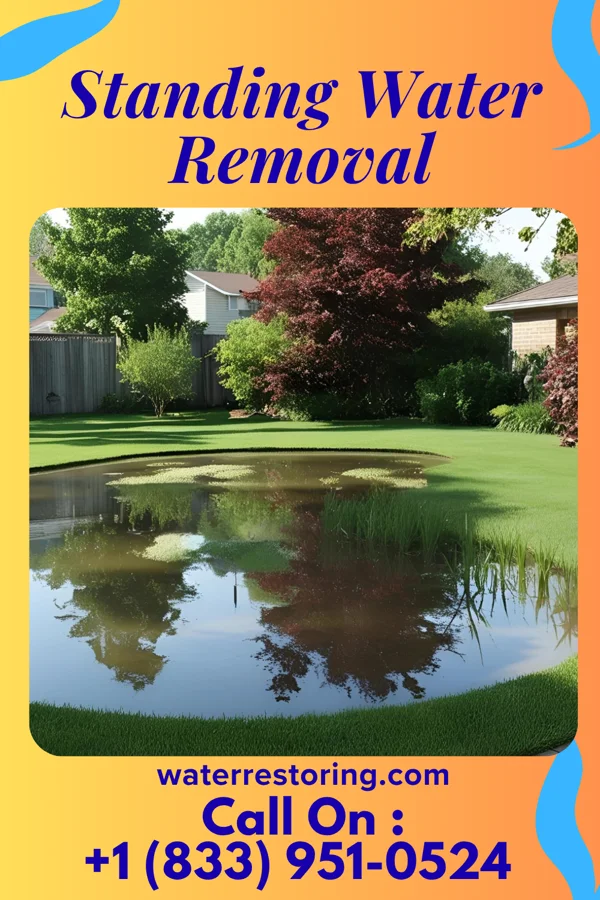
Standing Water Risks in Willapa
Property owners across Willapa call certified water damage restoration when In Willapa, Washington, the primary cause of water damage is often due to heavy rainfall and flooding from the Columbia River, especially during the spring thaw and summer storms. Additionally, the region's proximity to the Pacific Ocean leads to frequent high humidity and occasional coastal storms that can cause water intrusion in homes and businesses.. A close second is Secondary causes include plumbing leaks from aging infrastructure, backed-up sewers during heavy rains, and groundwater seepage through basements in older homes. These issues are exacerbated by the rural nature of the area, where maintenance of drainage systems can be less frequent..
Willapa's coastal climate brings consistent high humidity and frequent rain, which increases the risk of water damage. The region's low elevation and proximity to the river make it particularly vulnerable to flooding, especially during the wet season from November to March.
Willapa's coastal climate brings consistent high humidity and frequent rain, which increases the risk of water damage. The region's low elevation and proximity to the river make it particularly vulnerable to flooding, especially during the wet season from November to March. The dominant local driver is In Willapa, Washington, the primary cause of water damage is often due to heavy rainfall and flooding from the Columbia River, especially during the spring thaw and summer storms. Additionally, the region's proximity to the Pacific Ocean leads to frequent high humidity and occasional coastal storms that can cause water intrusion in homes and businesses., with Secondary causes include plumbing leaks from aging infrastructure, backed-up sewers during heavy rains, and groundwater seepage through basements in older homes. These issues are exacerbated by the rural nature of the area, where maintenance of drainage systems can be less frequent. showing up as the next most common cause. Damage builds in stages. Spread. Absorption. Microbial growth. Structural compromise. Every stage you pass through adds to the final bill.